
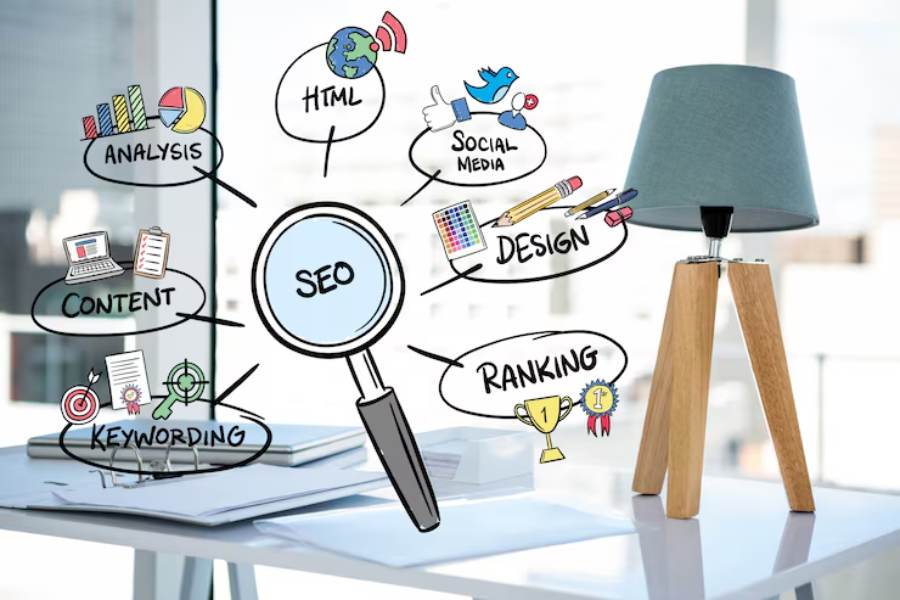
In the fast-paced world of e-commerce, establishing a strong online presence is crucial for any Shopify brand. While many merchants focus heavily on creating fantastic products, they may overlook the importance of content and SEO (Search Engine Optimization) as a unified approach to attract customers. By integrating these two elements, you not only enhance your brand’s visibility but also create a loyal customer base. Let’s dive into how you can marry content and SEO to fuel sustainable growth for your Shopify store.
Understanding the Synergy between Content and SEO
At its core, SEO is about optimizing your online presence to rank higher in search engine results pages. This involves various techniques, from keyword research to improving site speed. However, quality content acts as the cornerstone of successful SEO. When done correctly, content serves multiple purposes:
1 Attracting Traffic: Optimized content featuring relevant keywords improves your chances of appearing in search results, driving organic traffic to your site.
2 Engaging Users: Well-crafted articles or product descriptions provide value to potential customers, keeping them engaged and increasing the likelihood of conversions.
3 Establishing Authority: When you produce valuable content, you position your brand as an authority in your niche. This trust can translate into increased customer loyalty and repeat business.
To learn more about effective methods for driving organic growth, including specific recommendations tailored for Shopify, consider exploring resources that focus on organic growth strategies for Shopify merchants.
Key Strategies for Content and SEO Integration
Creating a synergy between content and SEO isn’t just about slapping keywords on a page or writing blog posts here and there. It requires a well-thought-out plan that promotes continuous engagement. Here are some actionable strategies to effectively combine content and SEO for your Shopify brand:
-
Perform Thorough Keyword Research
Before you start creating content, spend time understanding which keywords are relevant to your products and target audience. Use tools like Google Keyword Planner, Ahrefs, or SEMrush to identify search terms that have a good balance of search volume and competitiveness.
Once you identify your keywords, incorporate them naturally into your content. This means including them in:
- Blog post titles
- Headings and subheadings
- Meta descriptions
- Alt text for images
-
Create Quality Content that Addresses Customer Pain Points
Your content should aim to solve problems your customers face. This not only keeps existing buyers engaged but also attracts new users searching for solutions. For example:
- How-to Guides: If you sell brewing supplies, consider a blog post titled “How to Brew the Perfect Cup of Coffee.” This not only showcases your products but also establishes your brand as an authority in the coffee niche.
- Product Comparisons: Articles that compare your products to competitors can guide customers in making informed decisions.
By creating informative and engaging content, you build trust and encourage readers to explore more about your brand.
-
Optimize Your Product Pages
Many Shopify brands focus their SEO efforts on blog content while neglecting their product pages. Optimizing these pages is essential because they directly drive sales. Use the following tips:
- Keyword Inclusion: Include primary and long-tail keywords in product titles, descriptions, and URLs.
- High-Quality Images: Images can significantly improve user experience. Use high-resolution images and optimize their alt text for better search visibility.
- Compelling Descriptions: Write engaging and informative product descriptions that incorporate your keywords naturally while addressing customer needs.
-
Leverage Content to Build Backlinks
One of the most important aspects of SEO is building backlinks from reputable websites. A well-written article on your blog can serve as an excellent resource for other sites looking for valuable content to link to. Consider guest blogging, collaborating with influencers, or sharing your content on social media platforms.
When others link to your content, it not only drives traffic but also increases your site’s authority in the eyes of search engines. This can lead to improved rankings and visibility.
-
Utilize Content Marketing for Email Engagement
Email marketing isn’t just about promoting sales; it can be a potent tool for nurturing relationships. By crafting engaging newsletters filled with useful content—such as guides, tips, and news relevant to your audience—you keep your brand top-of-mind among potential customers.
Moreover, include links to your latest blog posts or product offerings to encourage further exploration. This not only drives traffic but reinforces your brand identity.
-
Monitor and Adjust Your Strategy
SEO and content marketing are not “set and forget” strategies. Regular analysis of your performance is essential for long-term success. Use tools like Google Analytics to track key metrics such as:
- Organic traffic levels
- Bounce rates
- Conversion rates
- Engagement metrics
By analyzing this data, you can refine your strategy and make data-driven decisions about content creation and optimization.
Conclusion
Integrating content with SEO is a crucial factor for growing your Shopify brand. By understanding and utilizing the relationship between the two, you can create a compelling online presence that attracts, engages, and converts visitors into loyal customers. The journey may seem daunting, but with continuous effort and adaptation, the rewards can be substantial. Embrace these strategies, and you’ll be on your way to building a thriving Shopify business that stands out in a competitive market.
Julhas Alam is a seasoned SEO strategist and the leading voice behind the insightful articles at LawFirmSEOExpert.com. With a rich background in digital marketing and a specialized focus on the legal sector, Julhas combines industry expertise with a deep understanding of SEO to deliver actionable insights and strategies tailored for law firms. Holding a passion for data-driven results and cutting-edge SEO techniques, Julhas has been instrumental in boosting online visibility and client acquisition for numerous law practices. When not dissecting search engine algorithms or exploring the latest digital marketing trends, Julhas enjoys reading success stories of other businesses, adding a personal touch to their professional acumen.
