
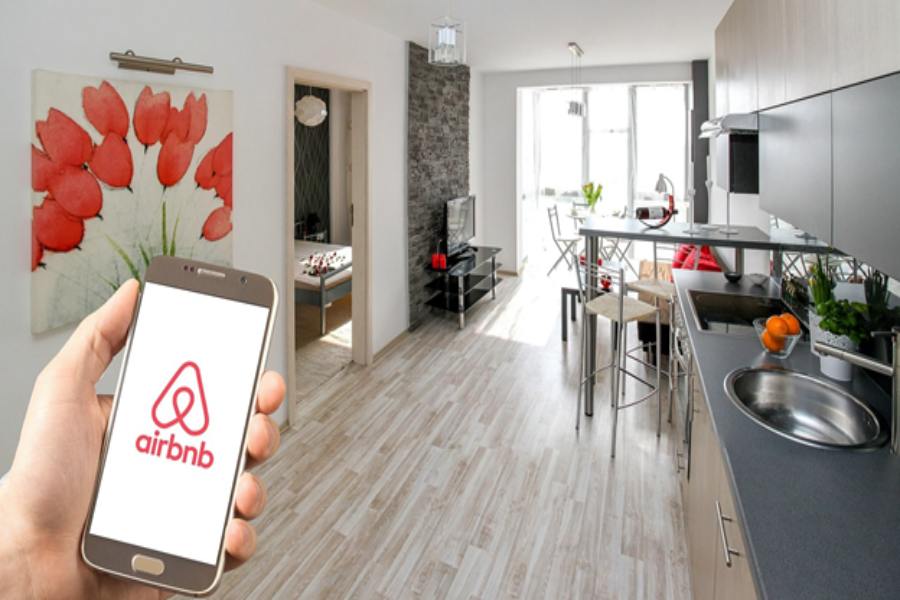
Renting on Airbnb or Vrbo is one of the easiest ways to make a little extra income from a property.
But here’s the thing most new hosts don’t realise…
The second a paying guest steps foot in your home, the rules change. You are no longer simply a homeowner, you are a business. And a business with very real legal obligations. If a guest trips on a loose step or gets injured because of an oversight on the host’s part, it could be a big one.
That’s why every host should know what they owe their guests and how to protect themselves from a short-term rental property damage claim.
Let’s jump in!
What you’ll discover:
- Why Short-Term Rental Safety Matters
- The Duty Of Care Hosts Owe Their Guests
- Common Hazards That Cause Guest Injuries
- How To Protect Your Rental (And Yourself)
Why Short-Term Rental Safety Matters
Short-term rentals have exploded over the last decade.
Ten years ago there were only a few platforms. Today, over 2,000,000 short-term rental properties are listed in the U.S. — and every single host is legally responsible for guest safety.
The risk is bigger than most hosts think.
The chances are one in fifty that a single unit will experience a claim in any given year. A host with three units has a one in three chance of experiencing a claim over a five year period.
When bad things happen, the cost can be crippling. Medical bills, pain and suffering, legal fees – it all accumulates quickly.
Injured guests often retain a lawyer to sue Airbnb host for injuries (particularly if the injury was caused by the host’s failure to repair). One short-term rental property damage claim or injury lawsuit can eliminate years of rental income.
That is why safety is a must. It is the base of a legal hosting service.
The Duty Of Care Hosts Owe Their Guests
Every host has a legal “duty of care” to their guests.
Essentially, this means you have to make reasonable efforts to maintain a safe environment. If you fail to do this and a guest is injured, you can be held legally accountable. This is known as premises liability — and it’s the primary cause of guests prevailing in injury lawsuits against hosts.
Here’s what duty of care actually covers:
- Checking regularly — Conduct a walkthrough of your rental between each guest and be on the lookout for issues like loose tiles, frayed cords, and broken railings.
- Fixing known problems quickly — If you know something is broken, fix it. “I was going to get to it” is not a legal defence.
- Informing guests of unseen hazards — Uneven steps, a sticky lock, a slippery deck? Guests should be made aware.
- Following local safety codes — Smoke alarms, CO detectors, fire extinguishers, and pool barriers.
Maryland became the latest state to pass new fire safety regulations for short-term rentals, requiring smoke alarms, carbon monoxide detectors and fire extinguishers. Many others are close behind.
If you do not allow your own family to live there, do not allow a paying guest either.
Common Hazards That Cause Guest Injuries
The majority of short-term rental injuries result from a relatively short list of hazards. When you know what they are, it’s pretty easy to prevent them.
Slip And Fall Accidents
These are the #1 cause of guest injuries.
Slippery bathroom floors, unmarked steps, loose rugs, icy walkways — all can lead to serious falls. Falls can cause broken bones, head injuries and big medical bills.
Fix it by:
- Adding non-slip mats in bathrooms and tubs
- Keeping walkways clear of ice and clutter
- Replacing worn-out carpet or loose floorboards
- Making sure every staircase has a sturdy handrail
Pool And Hot Tub Injuries
Pools are a major source of liability. Drownings, slip-and-falls, and chemical burns occur more frequently than you may realize. If you own property with a pool or hot tub, you must have proper fencing, operating drain covers, and posted safety rules for your guests.
Fire And Carbon Monoxide Hazards
This is one area where hosts get in serious legal trouble.
Missing smoke alarms, missing CO detectors and blocked fire exits are not just unsafe — they can be illegal. If a guest dies or is injured because of a missing alarm, the host can face both civil lawsuits and criminal charges.
Faulty Equipment
Broken furniture, old appliances, loose balcony railings — any of these can cause serious injury. Replace anything that looks worn, wobbly, or unsafe.
How To Protect Your Rental (And Yourself)
Steps Every Host Should Take to Protect Guests and Their Business from Lawsuits
Get The Right Insurance
A lot of hosts assume their regular homeowners policy covers them.
It usually doesn’t.
The second you take paying guests, most standard policies won’t cover you or they void your protection. You can be left with the bill if a guest is injured.
Airbnb’s AirCover and Vrbo’s insurance do offer some protection, but they have big gaps:
- They don’t cover everything
- They act as secondary coverage
- They come with lengthy exclusions and conditions
The smart play is to purchase a stand-alone short-term rental policy from a specialty insurer. This provides coverage for property damage, guest injuries, and lost rental income.
Do A Full Safety Inspection
Before every guest stays, walk through the property. Check for:
- Working smoke and carbon monoxide detectors
- Fire extinguishers that are charged and easy to access
- Secure railings, stairs, and balconies
- No slip hazards in bathrooms or outside
- Working door and window locks
Document Everything
Document all inspections, repairs and safety improvements. If a guest makes a claim against you, these records are your best defence. They show you took your duty of care seriously.
Be Transparent With Guests
Provide a house manual that covers:
- Emergency contact information
- Location of fire extinguishers and first-aid kits
- Any quirks or known hazards
- Pool, hot tub, or equipment rules
The more your guests know, the safer they’ll be — and the less likely they can say you concealed a danger.
Final Thoughts
Hosting a short-term rental is a great way to make money off of a property. However, there is a lot of legal power behind this activity. Hosts have a responsibility of care to all guests, and if that responsibility is not met, legal action, insurance horror stories, and large financial losses can be the result.
To quickly recap:
- Understand your legal duty of care
- Inspect your property between every guest
- Fix hazards before they cause injuries
- Get specialised short-term rental insurance
- Document everything you do
Those who see safety as a critical business process are the hosts with no claims. Those who shortcut are generally found out the hard way.
Do it right now. Your guests (and your bank account) will thank you.
Julhas Alam is a seasoned SEO strategist and the leading voice behind the insightful articles at LawFirmSEOExpert.com. With a rich background in digital marketing and a specialized focus on the legal sector, Julhas combines industry expertise with a deep understanding of SEO to deliver actionable insights and strategies tailored for law firms. Holding a passion for data-driven results and cutting-edge SEO techniques, Julhas has been instrumental in boosting online visibility and client acquisition for numerous law practices. When not dissecting search engine algorithms or exploring the latest digital marketing trends, Julhas enjoys reading success stories of other businesses, adding a personal touch to their professional acumen.