
If you work in construction, you know the risks are real—falls, equipment failures, and struck-by incidents top the list. Understanding your legal rights when injured on site isn’t just important; it’s crucial. Knowing how to protect yourself and respond immediately can make a significant difference in your recovery and compensation. But what steps should you take right after an injury, and how can you guarantee your rights are fully upheld?
Most Frequent Types of Construction Site Injuries
While construction sites are inherently risky, understanding the most frequent types of injuries can help you take proactive steps to prevent them. The most common injuries often stem from fall hazards, which are a leading cause of serious harm on site. Falls can occur from scaffolding, ladders, or unprotected edges, making it critical for you to recognize and mitigate these risks. Additionally, equipment malfunction plays a significant role in worker injuries. Faulty machinery or improper maintenance can result in crushing injuries, lacerations, or even amputations. Consulting a construction accident claim lawyer can help ensure your rights are protected if an injury occurs and that you pursue any compensation you may be entitled to. You should also always guarantee equipment is inspected regularly and operated according to safety protocols. Other frequent injuries include strains from overexertion and being struck by falling objects. By knowing these common injury types and their sources, you can better anticipate dangers and enforce necessary precautions to protect yourself and your colleagues in the demanding environment of construction work.
Causes of Construction Accidents
Because construction sites involve complex tasks and heavy equipment, accidents often result from a combination of human error, unsafe conditions, and inadequate training. You need to recognize key construction hazards that frequently lead to injuries. Understanding these causes is essential for accident prevention. Common causes include:
- Improper use or maintenance of machinery and tools
- Falls from heights due to lack of guardrails or harnesses
- Exposure to hazardous materials without proper protective gear
- Electrical hazards from faulty wiring or ungrounded equipment
- Insufficient communication or unclear safety protocols
Each of these factors increases the risk of accidents. You must be aware that ignoring safety standards or rushing tasks can quickly turn a routine job into a dangerous situation. By identifying these causes clearly, you’re better equipped to understand the risks you face and the importance of rigorous accident prevention strategies.
Preventative Safety Measures on Construction Sites
Implementing five key preventative safety measures can drastically reduce the risk of injuries on construction sites. First, thorough safety training is essential; you need to guarantee every worker understands site-specific risks and proper procedures. Second, consistent hazard identification must be performed—regular inspections to detect and address potential dangers before they cause harm. Third, maintaining clear communication channels allows you to promptly convey safety updates and concerns. Fourth, enforcing strict adherence to safety protocols helps prevent complacency and risky behaviors. Finally, proper equipment maintenance is critical; faulty tools or machinery greatly increase injury risk. In addition, respiratory protection plays an important role in protecting workers from airborne hazards such as dust, fumes, silica particles, and chemical vapors that are common on construction sites. When engineering controls cannot fully eliminate these hazards, properly fitted respirators and respiratory protection programs help reduce the risk of serious respiratory illnesses. Workers should be trained on when and how to use respirators correctly, and employers must ensure the equipment is properly maintained and compliant with safety regulations. By rigorously applying these measures, you create a safer working environment that minimizes accidents. Always stay proactive—waiting for an incident to occur is too late. Remember, your diligence in these areas not only protects workers but also strengthens legal compliance, reducing liability. Prioritize these steps to safeguard everyone on site and promote a culture of safety above all else.
Role of Personal Protective Equipment (PPE)
The role of personal protective equipment (PPE) on construction sites is essential for reducing injury risks and safeguarding workers from hazards that can’t be fully controlled through other safety measures. You need to understand that PPE effectiveness depends heavily on proper selection, maintenance, and consistent use. Achieving PPE compliance on site isn’t just about following rules—it’s about protecting yourself from serious harm. Key elements include:
- Wearing hard hats to prevent head injuries from falling objects
- Using safety goggles to shield your eyes from debris and chemicals
- Donning high-visibility clothing to stay visible around moving machinery
- Utilizing gloves to protect hands from cuts, burns, and chemicals
- Wearing steel-toed boots to prevent foot injuries from heavy equipment
You should always inspect your PPE before each use and replace any damaged equipment immediately. Remember, proper PPE use is your last line of defense against unavoidable hazards, making your safety and legal rights closely tied to compliance.
Steps to Take Immediately After an Injury
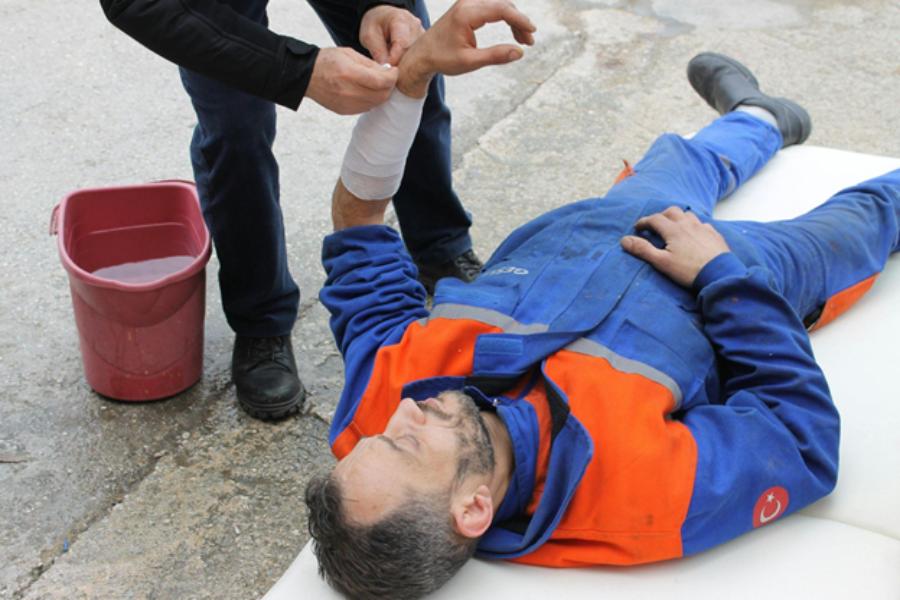
Even with proper PPE and safety measures in place, injuries can still happen on construction sites. If you get hurt, your first priority should be to seek immediate first aid to prevent the injury from worsening. Alert your supervisor or safety officer right away so appropriate medical assistance can be arranged. Prompt medical attention is critical, even if the injury seems minor.
Next, focus on thorough injury documentation. Record the date, time, location, and circumstances of the injury in detail. Take photographs if possible, and gather witness contact information. Accurate documentation not only guarantees your injury is properly addressed but also supports any future legal or compensation claims. Avoid downplaying your injury or delaying these steps, as early intervention protects your health and rights. By acting swiftly and meticulously, you minimize risks and preserve evidence necessary for your wellbeing and legal protection.
Workers’ Compensation Benefits for Injured Construction Workers
If you get injured on a construction site, understanding your eligibility for workers’ compensation benefits is essential. You’ll need to follow a specific claim filing process to guarantee your case is properly documented and reviewed. It’s also important to know the types of benefits available, including medical coverage, wage replacement, and rehabilitation support.
Eligibility Criteria Overview
Because workers’ compensation benefits are crucial for your recovery and financial stability after a construction site injury, understanding the eligibility criteria is fundamental. Worker eligibility hinges on several key factors that determine your right to compensation. To clarify compensation eligibility, consider these points:
- You must be classified as an employee, not an independent contractor.
- The injury must occur during the course of your employment.
- Your employer is required to carry workers’ compensation insurance.
- You need to report the injury promptly to your employer.
- The injury should be documented and medically verified.
Meeting these criteria guarantees you receive the benefits intended to cover medical expenses and lost wages. Always verify your status and follow protocol meticulously to safeguard your legal rights and access to compensation.
Claim Filing Process
Once you confirm your eligibility for workers’ compensation benefits, the next step is to understand the claim filing process. You must carefully adhere to claim requirements, which typically include notifying your employer promptly about the injury and submitting a formal claim within the specified deadline. The documentation process is critical; you’ll need to gather all relevant medical records, incident reports, and any witness statements to support your claim. Ascertain every document is accurate and complete to avoid delays or denials. Keep copies of everything you submit for your records. Following these steps precisely helps protect your legal rights and increases the likelihood of a successful claim. If you’re uncertain about any part of the process, consulting a legal expert can provide valuable guidance.
Benefit Types Explained
Although maneuvering workers’ compensation benefits can seem complex, understanding the specific types of benefits available is crucial for injured construction workers seeking proper support. Knowing the benefit types helps you navigate the compensation overview confidently and secure what you’re entitled to after an injury.
Here are the primary benefit types you should be aware of:
- Medical Benefits: Covers necessary treatment and rehabilitation.
- Temporary Disability Benefits: Provides wage replacement if you can’t work temporarily.
- Permanent Disability Benefits: Compensation for lasting impairments affecting your ability to work.
- Vocational Rehabilitation: Assistance with retraining or job placement if you can’t return to your previous job.
- Death Benefits: Support for your dependents if a fatal injury occurs.
Understanding these benefit types guarantees you’re prepared to pursue appropriate compensation effectively.
Legal Rights When Injured Due to Employer Negligence
When you’re injured on a construction site due to employer negligence, it’s vital to understand your legal rights to protect yourself effectively. You may be entitled to file negligence claims if your employer failed to uphold safety standards or ignored known hazards. Employer liability often arises when inadequate training, faulty equipment, or unsafe work conditions directly cause your injury. Knowing this helps you pursue rightful compensation for medical expenses, lost wages, and pain and suffering. However, proving employer negligence requires clear evidence that their actions—or lack thereof—led to your injury. It’s important to act promptly and consult a specialized attorney who can evaluate your case thoroughly. Your legal rights also include protection from retaliation if you report unsafe conditions or file claims. By understanding employer liability and the basis for negligence claims, you can navigate this complex process cautiously and make sure your interests are safeguarded without delay.
How to Document Your Injury and Incident Effectively
Understanding your legal rights after a construction site injury is important, but equally important is how you document the injury and incident. Proper documentation strengthens your case and guarantees accuracy.
To document effectively, follow these steps:
- Immediately notify your supervisor to initiate an official incident report.
- Record detailed descriptions of how the injury occurred, including time, location, and conditions.
- Collect photographic evidence of the injury and the surrounding area to visually support your claim.
- Obtain contact information from any witnesses present at the scene.
- Keep copies of all medical records, treatment notes, and communication related to your injury.
Accurate, timely documentation minimizes disputes over facts and protects your rights. Avoid delays or incomplete records, as these can weaken your position when seeking compensation or legal recourse. Taking these careful steps guarantees your injury and incident are thoroughly and effectively recorded.
Importance of Reporting Construction Site Injuries
Because timely reporting of construction site injuries directly impacts your safety and legal protection, you must prioritize notifying the proper authorities immediately after an incident. Failure to follow established reporting procedures can jeopardize your ability to receive appropriate medical care and compensation. Injury statistics consistently show that delays in reporting contribute to underestimating workplace hazards and increase the risk of further harm. By promptly reporting your injury, you help guarantee accurate documentation and initiate necessary investigations. This also safeguards your rights under workers’ compensation laws and helps employers take corrective action to prevent future incidents. Remember to adhere strictly to your site’s specific reporting procedures—typically informing your supervisor and submitting written reports within designated timeframes. Keeping detailed records and understanding these protocols will strengthen your position should you need to assert your legal rights later. Always treat reporting as a critical step—not just a formality—to protect your health and livelihood.
When to Consult a Construction Injury Lawyer
If your injury causes persistent pain, limits your mobility, or results in significant medical expenses, it’s vital to consult a construction injury lawyer promptly. Acting quickly guarantees your legal rights are protected and evidence is preserved. Don’t wait until deadlines pass or complications arise—seek expert advice as soon as possible.
Signs to Seek Help
When should you consider consulting a construction injury lawyer after an accident on-site? If you’re experiencing any of the following signs, it’s essential to seek legal advice promptly:
- Persistent physical pain or worsening injuries despite treatment
- Emotional distress affecting your daily life or work performance
- Lack of adequate workplace support or employer cooperation
- Difficulty maneuvering workers’ compensation claims or insurance disputes
- Pressure to settle or sign documents without fully understanding your rights
A seasoned lawyer can help protect your interests, guarantee you receive proper compensation, and guide you through complex legal processes. Don’t underestimate the importance of professional help when emotional distress and workplace challenges add to your burden. Taking action early safeguards your future and enforces your legal rights effectively.
Timing for Legal Action
Although you might feel overwhelmed right after a construction site injury, acting promptly can greatly impact the outcome of your case. You should consult a construction injury lawyer as soon as possible to guarantee your rights are protected. Delaying legal advice risks missing essential deadlines, especially due to statute limitations that vary by state and type of claim. These time limits restrict when you can pursue legal remedies, so understanding them early is vital. A lawyer will evaluate your situation, preserve important evidence, and guide you through the claims process efficiently. Prompt action also helps avoid complications from insurance companies or employers who might dispute your claim. Don’t wait until it’s too late—securing legal counsel promptly maximizes your chances for fair compensation and justice.
Frequently Asked Questions
Can Subcontractors File Injury Claims on Construction Sites?
Yes, you can file injury claims as a subcontractor, but your subcontractor rights vary by state. It’s essential you understand your eligibility for injury compensation and consult legal advice to protect your interests effectively.
Are Employers Required to Provide Safety Training for New Workers?
Yes, employers must provide safety training to new workers, ensuring they understand safety protocols thoroughly. You’re responsible for following these guidelines carefully to protect yourself and others on site, minimizing risks and promoting a safe work environment.
How Long Does a Typical Construction Injury Lawsuit Take?
The average lawsuit duration for construction injuries often ranges from several months to years. You’ll find factors affecting timelines include case complexity, evidence gathering, negotiations, and court schedules, so patience and legal guidance are essential.
Can Injured Workers Return to a Different Job on the Site?
Yes, you can return to a different job on-site if your doctor approves. Job reassignment supports worker rehabilitation, ensuring tasks fit your current abilities while promoting recovery and maintaining safety. Always consult your medical and legal advisors.
What Happens if Multiple Workers Are Injured in the Same Accident?
If multiple workers are injured in the same accident, liability allocation becomes complex, requiring careful investigation to determine shared responsibility among parties. You’ll need legal guidance to guarantee fair compensation and proper acknowledgment of each party’s role.
Julhas Alam is a seasoned SEO strategist and the leading voice behind the insightful articles at LawFirmSEOExpert.com. With a rich background in digital marketing and a specialized focus on the legal sector, Julhas combines industry expertise with a deep understanding of SEO to deliver actionable insights and strategies tailored for law firms. Holding a passion for data-driven results and cutting-edge SEO techniques, Julhas has been instrumental in boosting online visibility and client acquisition for numerous law practices. When not dissecting search engine algorithms or exploring the latest digital marketing trends, Julhas enjoys reading success stories of other businesses, adding a personal touch to their professional acumen.