
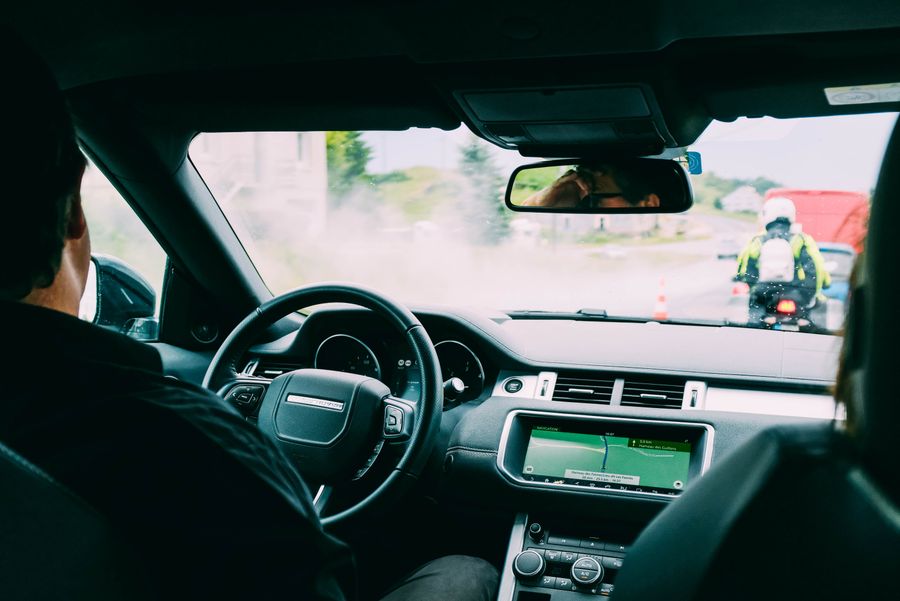
Heavy traffic can be stressful, especially when cars are constantly braking, changing lanes, and moving at uneven speeds. In these conditions, even small misjudgments in spacing can quickly lead to sudden stops or minor collisions. That is where awareness of depth and distance becomes especially important, along with access to legal help for accident-related injuries when a crash occurs. Drivers who understand how to judge space on the road better are more likely to stay calm and avoid preventable accidents. Building this awareness helps create safer driving habits, even in the most congested conditions.
Understanding Depth and Distance Awareness
Understanding depth and distance awareness is all about how drivers judge the space between their vehicle and others on the road. It involves estimating how far away cars are, how quickly they are moving, and how much time is needed to react safely. When drivers improve this skill, they are better able to maintain safe following distances and avoid sudden braking situations.
Why Heavy Traffic Makes Judging Space More Difficult
Heavy traffic makes judging space more difficult because vehicles are constantly starting, stopping, and changing speed without much warning. Drivers also have less visual distance to work with, which makes it harder to estimate how far ahead or behind other cars are accurately. On top of that, stress and distractions on congested roads can reduce focus, making spacing mistakes more likely.
Use Reference Points to Gauge Following Distance
Using reference points to gauge following distance helps drivers maintain a consistent and safe space between vehicles. Simple markers like lane lines, road signs, or stationary objects can help you track how much time it takes to reach a certain point. One common method is the two-second rule, which gives drivers a practical way to adjust their spacing depending on traffic speed and conditions.
Keep a Wider Visual Scan Instead of Focusing Only on the Car Ahead
Keeping a wider visual scan helps drivers notice what is happening beyond just the vehicle in front of them. By looking several cars ahead, you can anticipate sudden stops or slowdowns earlier and react with more time to spare. Checking mirrors and surrounding lanes also improves awareness, making it easier to judge distance and avoid being caught off guard in heavy traffic.
Adjust Speed to Match Visibility and Traffic Flow
Lowering your speed enough to match what your eyes can see and the traffic around you will give you better control and allow you more time to react in heavy traffic. By simply slowing down to the point where you can still clearly see the road ahead, you will find it much easier to judge the distance to other vehicles and react if something suddenly changes. Also, maintaining a steady rhythm with moving traffic while keeping a safe distance from other vehicles will definitely reduce the risk of sudden braking and rear-end crashes.
Avoid Tailgating Even in Stop-and-Go Traffic
Avoiding tailgating in stop-and-go traffic is important because vehicles can brake suddenly without much warning. Keeping a safe following distance gives you enough time to react, even when traffic is constantly moving forward and stopping again. Staying patient and leaving space also reduces stress and lowers the risk of minor collisions that are common in heavy congestion.
Use Mental Checkpoints to Stay Aware of Spacing
Drivers can remain constantly conscious of the area around their vehicle by using mental checkpoints. For example, after every stop, lane change, or slowdown, you can briefly reassess your following distance. Once you get used to it, you will keep your focus on the spacing and, at the same time, lessen the likelihood of inadvertently moving too close to other vehicles without realizing it.
Stay Calm and Avoid Visual Overload
Staying calm helps drivers think more clearly and make better spacing decisions in heavy traffic. When the road gets busy, too much visual information can feel overwhelming, especially with constant movement in every direction. Taking a steady approach and focusing on what is most important reduces mistakes and helps maintain safer following distances.
Practice Depth Perception in Low-Risk Environments
Practicing depth perception in low-risk environments helps drivers build confidence and improve their ability to judge space before facing heavy traffic.
Start in Empty Parking Areas
A great way to start is by practicing in large, empty parking lots where the traffic pressure is low or even non-existent. Gradually, you can start driving your car around the parked cars and see how the distance between you and the cars changes as you approach or pass them. Doing so will help you train your eyes to make more accurate judgments of space without the added stress of moving traffic.
Use Slow Speed Driving Practice
Driving slowly on quiet streets helps you concentrate more on the spacing and positioning of your vehicle. You will be able to notice how close other cars, curbs, and obstacles seem as you get near them. Gradually, this will enhance your innate capability to estimate safe distances under challenging road conditions.
Practice Following Distance Awareness
When on the road with few cars, make a point of spacing your car a safe distance from the one ahead of you. For instance, you may use the visual cues or the two-second rule to check if your spacing is steady. Repeating this habit will help you maintain the proper following distance naturally, even in heavy traffic.
Build Confidence Gradually
Commence with gentle driving in residential areas and gradually move up to busier main roads. Every phase helps consolidate your perception of depth and distance without excessive detail. Through regular training, your perceptiveness will intensify and become more subconscious, particularly in hectic traffic conditions.
Conclusion
Understanding depth and distance awareness can make a big difference in how safely drivers navigate heavy traffic, especially when conditions are unpredictable. With consistent practice, better scanning habits, and a calm mindset, it becomes easier to judge spacing and avoid common road mistakes. If an accident does happen despite careful driving, having access to legal help for accident-related injuries can provide important support in handling the aftermath and protecting your rights.
Julhas Alam is a seasoned SEO strategist and the leading voice behind the insightful articles at LawFirmSEOExpert.com. With a rich background in digital marketing and a specialized focus on the legal sector, Julhas combines industry expertise with a deep understanding of SEO to deliver actionable insights and strategies tailored for law firms. Holding a passion for data-driven results and cutting-edge SEO techniques, Julhas has been instrumental in boosting online visibility and client acquisition for numerous law practices. When not dissecting search engine algorithms or exploring the latest digital marketing trends, Julhas enjoys reading success stories of other businesses, adding a personal touch to their professional acumen.